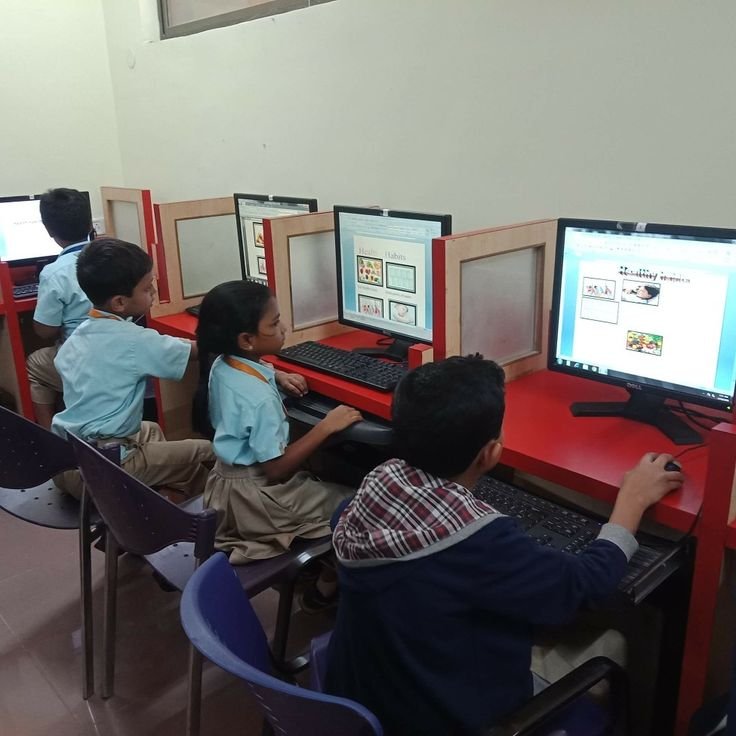
Education in 2025 is undergoing a seismic shift, driven by cutting-edge technologies and innovative teaching methodologies. These trends are reshaping how students learn, educators teach, and institutions adapt. Below, we explore the latest educational trends that are influencing and transforming learning experiences worldwide.
1. Artificial Intelligence in Classrooms
Artificial Intelligence (AI) is no longer a futuristic concept; it’s revolutionizing classrooms today. AI-powered tools can personalize learning experiences by analyzing students’ strengths, weaknesses, and learning styles.
For instance, adaptive learning platforms like those leveraging AI can provide real-time feedback, tailor exercises to individual needs, and even predict where students might struggle. Virtual tutors, powered by AI, are also gaining prominence, offering round-the-clock assistance to enhance academic outcomes.
Key Benefits of AI in Education:
- Personalized learning: Courses adapt to suit each student’s pace and ability.
- Efficient assessment: Automated grading tools save time for educators.
- Support for diverse learners: AI tools can assist students with disabilities through features like speech recognition and text-to-speech functionalities.
2. Personalized Learning Pathways
Education is shifting from a one-size-fits-all approach to a more student-centered model. Personalized learning pathways allow students to take control of their education, focusing on subjects and skills that align with their goals and interests.
With the help of advanced software and analytics, students can now create customized learning experiences. Platforms like learning management systems (LMS) are integrating recommendation engines similar to those in entertainment and retail, helping students chart a unique course toward their educational and career aspirations.
Why Personalized Learning is Game-Changing:
- Students stay more engaged when they can focus on their interests.
- Individual pace ensures no learner is left behind or held back.
- Encourages autonomy and critical thinking skills.
3. Gamification for Greater Engagement
Gamification, or the application of game design elements in non-game contexts, is proving to be a game-changer in education. By incorporating rewards, challenges, and competition into learning, gamification effectively boosts student engagement and retention.
Educational tools and platforms are infusing gamified elements such as badges, leaderboards, and point systems. For example, math and language apps for K-12 students often blend curriculum objectives with interactive games, making learning both fun and effective.
Core Impacts of Gamification:
- Motivation: Students are more likely to engage when learning feels enjoyable.
- Improved retention: The combination of visuals, interactivity, and feedback reinforces concepts better.
- Skill-building: Games often incorporate problem-solving and collaboration scenarios.
4. The Rise of Hybrid Learning Models
Hybrid learning, a flexible blend of in-person and online instruction, has solidified its place as a core model post-pandemic. This format accommodates various learning environments and provides accessibility to students who might otherwise face geographical or financial barriers.
For schools and universities, hybrid learning models offer the chance to combine the best of both worlds. They leverage interactive virtual tools, such as video conferencing and collaborative software, alongside the personal interaction that face-to-face sessions provide.
Hybrid Learning Highlights:
- Flexibility: Students can access materials and engage on their terms.
- Enhanced participation: Tools like chat rooms and polls encourage everyone to contribute.
- Scalability: Educators can reach broader audiences without sacrificing quality.
5. Integration of Virtual and Augmented Reality (VR/AR)
Immersive technologies like VR and AR are opening new realms in experiential learning. These tools allow students to step into a historical battle, explore the depths of the ocean, or even practice surgical procedures, all from the classroom.
Virtual simulations provide unparalleled opportunities for experiential learning. AR, meanwhile, complements text and video content by overlaying interactive elements, bringing lessons to life in a tangible way.
Examples of AR/VR in Education:
- Medical students using VR to practice surgeries in a risk-free environment.
- History classes exploring ancient civilizations via virtual archeological sites.
- Science labs using AR to model molecular structures.
6. Blockchain for Credential Storage
Blockchain technology is addressing long-standing challenges in academic credentialing and record-keeping. By securely storing student records on decentralized ledgers, blockchain ensures tamper-proof documentation and easier verification.
This innovation benefits both students and institutions. Learners can share their records with employers or universities instantly, while schools can reduce administrative overhead.
Blockchain’s Role in Education:
- Credential security: Authenticates certificates and degrees against fraud.
- Global recognition: Simplifies the validation process across borders.
- Streamlined processes: Reduces paperwork and inefficiencies.
7. Social Emotional Learning (SEL) Initiatives
The focus on social-emotional learning (SEL) is growing as educators recognize its importance for holistic development. SEL programs teach essential life skills such as emotional regulation, empathy, and conflict resolution.
Schools are embedding SEL into curricula through group activities, discussions, and digital tools designed to enhance emotional intelligence. These initiatives are particularly important in addressing mental health concerns among students post-pandemic.
Benefits of SEL in Education:
- Promotes emotional well-being and mental health.
- Fosters better communication and teamwork.
- Prepares students for challenges beyond the classroom.
8. Microlearning for Skill Development
Microlearning has emerged as a highly effective strategy for skill-based education. This approach focuses on delivering content in small, digestible modules, often through mobile apps or short videos.
Microlearning caters to the preferences of modern learners, who value flexibility and brevity. Whether it’s mastering a coding language or grasping key business concepts, learners can make incremental progress in their own time.
Key Traits of Microlearning:
- Short and focused lessons enable quick understanding.
- Accessible formats suit various devices and schedules.
- Encourages lifelong learning by offering manageable steps.
Final Thoughts
The educational landscape in 2025 is rich with innovation, offering students unprecedented opportunities to learn more effectively, engage deeply, and achieve their goals. Technologies like AI, gamification, and AR/VR are empowering personalized, immersive, and inclusive learning experiences. Meanwhile, hybrid learning and initiatives like blockchain and SEL ensure that education remains adaptable and relevant in a rapidly changing world.
By adopting these trends, educators and institutions can future-proof their approaches and equip learners with the skills and knowledge they need to thrive. The transformation of education is unfolding—and the possibilities are limitless.