The rapid evolution of technology is redefining how educators approach teaching and how students engage with learning. From artificial intelligence (AI)-powered tools to immersive virtual reality (VR) experiences, educational technology (EdTech) is not just transforming classrooms—it’s improving student outcomes and shaping the future of learning. In this article, we’ll explore the most impactful innovations driving this transformation, how they enhance education, and what this shift means for student success.
The Rise of AI in Education
AI-Powered Learning Tools
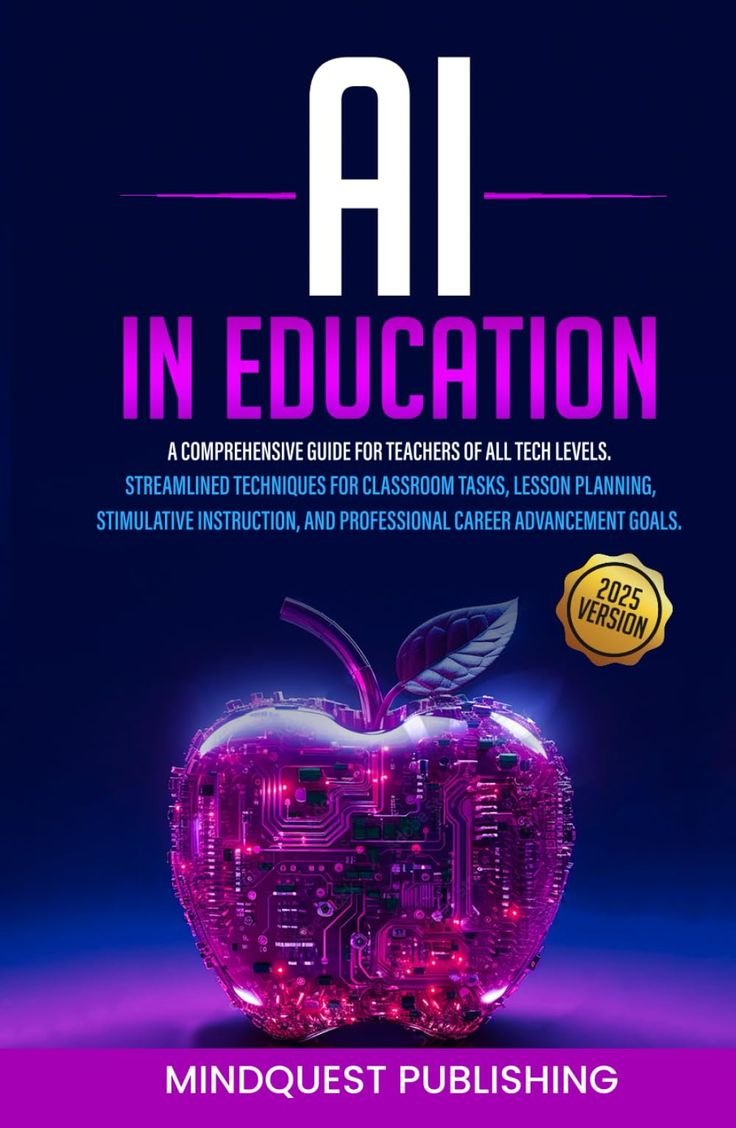
Artificial intelligence is at the forefront of modern education. AI-driven platforms analyze student performance in real-time, enabling personalized instruction tailored to individual needs. Tools like adaptive learning systems evaluate how well students grasp concepts and deliver customized lessons to fill in knowledge gaps. For instance, platforms such as DreamBox and Khan Academy use AI algorithms to adjust lesson difficulty, allowing students to progress at their own pace.
Additionally, AI tutors and chatbots provide instant academic support, answering student questions and offering step-by-step problem-solving techniques. These tools not only save time for educators but also ensure students receive near-immediate assistance, fostering better understanding and retention.
Data-Driven Insights for Educators
AI also aids teachers by generating actionable insights from classroom data. Advanced analytics tools monitor patterns in student behavior, helping educators identify struggling learners early in the process. With this data, teachers can modify lesson plans or implement targeted interventions, ultimately boosting overall classroom performance.
Immersive Learning Through Virtual Reality
Virtual Reality for Hands-On Learning
Virtual reality is bridging the gap between theory and practice. VR-powered educational content takes students beyond textbooks, offering immersive experiences that make learning tactile and engaging. For example, biology students can explore the structures of a cell as though they’re inside a virtual microscope, while history classes can tour ancient civilizations without leaving their desks.
Programs like Google Expeditions and Mozilla Hubs bring new dimensions to classroom learning, making abstract concepts easier to grasp. VR also cultivates engagement by transforming monotonous lectures into interactive educational adventures.
Enhancing Accessibility
For underserved or remote areas, VR provides access to resources that may otherwise be out of reach. Schools with limited budgets can introduce a wide array of field trips, lab experiments, and interactive simulations via VR, leveling the playing field for students worldwide.
Transformative Power of Adaptive Learning Platforms
Personalized Education at Scale
Adaptive learning systems are redefining personalized education. By leveraging AI algorithms, these platforms identify learning gaps and dynamically adjust content, ensuring students master foundational skills before progressing. Companies like Smart Sparrow and Carnegie Learning are spearheading adaptive solutions, significantly enhancing the effectiveness of online and blended learning environments.
The ability to tailor education to individual learning styles benefits students across academic spectrums. Whether helping high-performing students stay challenged or giving additional support to those who struggle, adaptive platforms create an inclusive educational ecosystem.
Improved Student Engagement and Retention
Gamification features, integrated within many adaptive learning platforms, enhance student motivation by turning lessons into engaging challenges. For instance, gamified quizzes and achievement badges reward effort and foster a positive learning environment, encouraging students to stay invested in their education.
Role of Technology in Bridging Gaps
Addressing Equity in Education
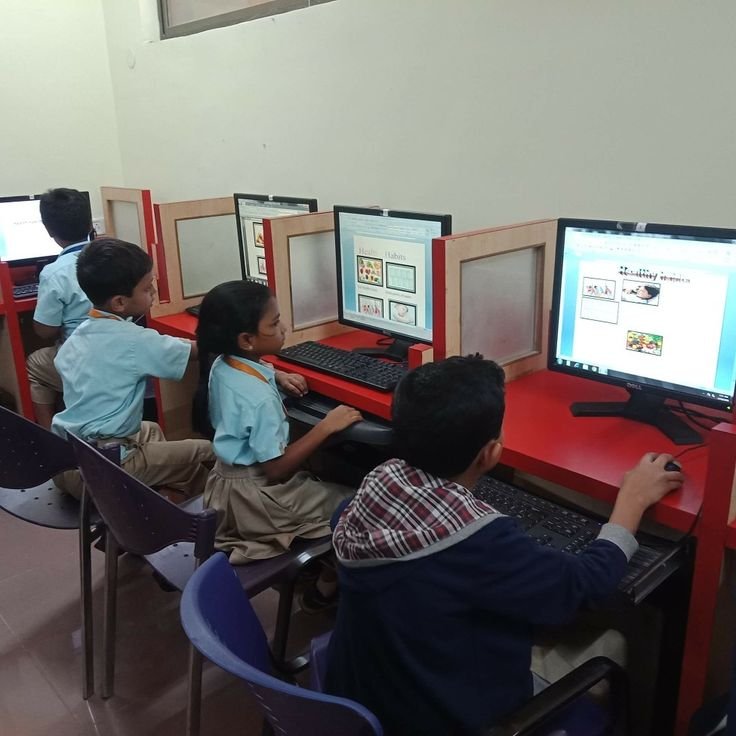
Technology plays a pivotal role in addressing inequalities in access to quality education. Digital tools such as e-learning platforms and cloud-based resources ensure that students in rural or underserved areas can access high-quality teaching materials. Organizations like Coursera and Udemy bring affordable, flexible learning options to students globally, democratizing education.
Enhancing Teacher Effectiveness
By automating administrative tasks, EdTech solutions allow teachers to channel their time and energy into meaningful interactions with students. Learning management systems (LMS) like Canvas and Blackboard simplify grading, attendance, and course planning, enabling educators to focus on fostering a supportive learning environment.
Challenges of Implementing Technology in Classrooms
While the benefits of EdTech are unquestionable, its adoption poses certain challenges. Limited funding can hinder schools from acquiring cutting-edge tools, while inadequate teacher training may prevent new technologies from being used effectively. Furthermore, concerns around data privacy, particularly in AI-driven platforms, require careful consideration to ensure student information is secure.
The Future of Learning and Success
Emerging technologies are setting a new standard for learning, making education more accessible, personalized, and effective. By fostering a deeper understanding of subjects, encouraging critical thinking, and tailoring education to each student’s needs, technology empowers learners with the skills they need to thrive in an increasingly digital world. However, to maximize these benefits, the education sector must address barriers such as equitable access and teacher training.
From AI and VR to adaptive learning platforms, the innovations we’ve explored are just the beginning of a much larger evolution. Investing in these technologies today has the potential to shape not just classrooms, but the future of education on a global scale.